Cooling Systems Matched to Property Demands
Air Conditioning Installation in Missoula for homes requiring new cooling equipment or system replacements
Installing air conditioning that maintains consistent indoor temperatures during Western Montana's warm summer months requires matching equipment capacity to the property's cooling load, accounting for insulation quality, window exposure, ceiling height, and internal heat sources. C&C Heating and Air Conditioning evaluates homes in Missoula before recommending cooling solutions, measuring square footage and assessing ductwork condition to determine whether the existing air distribution system can handle conditioned air or requires modification. Systems sized incorrectly—either undersized units that run constantly without reaching set points or oversized equipment that short-cycles and fails to dehumidify—create comfort problems regardless of equipment efficiency ratings.
Professional installation involves more than setting the outdoor condenser and connecting refrigerant lines; technicians verify that indoor coils fit within existing airflow pathways, charge refrigerant precisely using subcooling and superheat measurements, and balance airflow across rooms to prevent hot spots. Missoula's summer temperatures routinely reach the nineties, and systems must cool effectively during afternoon heat without cycling erratically or straining to maintain comfortable indoor conditions.
Request an air conditioning estimate to review cooling system options suited to your property and indoor comfort requirements.
Why System Selection and Installation Quality Matter
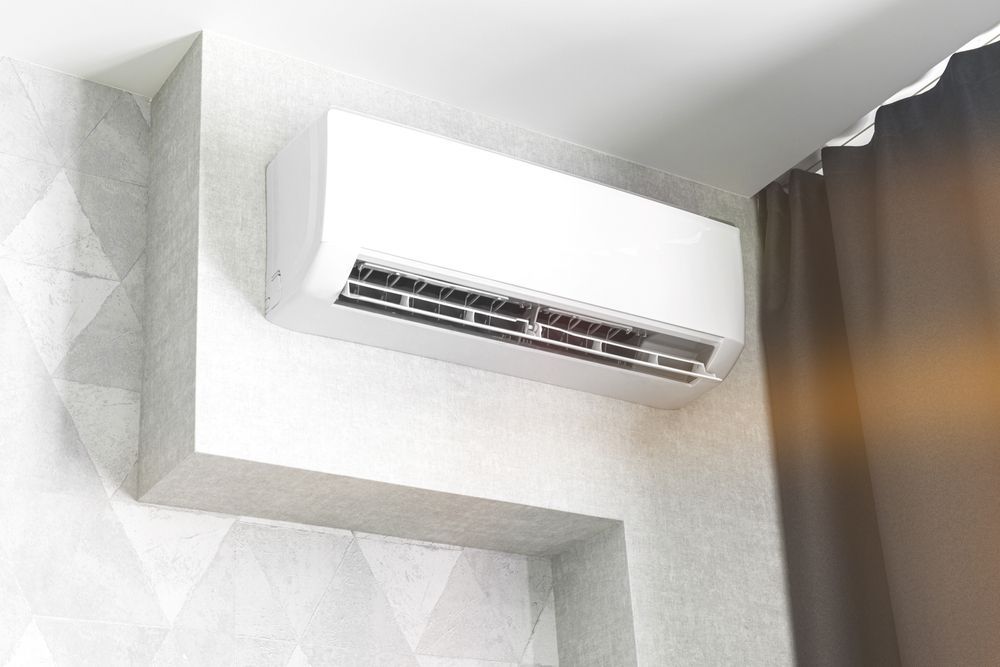
Choosing a cooling system involves deciding between single-stage units that run at full capacity whenever cooling is needed, two-stage systems that operate at lower output during moderate conditions, and variable-speed equipment that adjusts compressor output incrementally. Each type affects how the system responds to changing temperatures, how often it cycles, and how effectively it removes humidity. Technicians install the evaporator coil in the air handler, route refrigerant lines through walls or attics with proper insulation, position the condenser on a level pad with adequate airflow clearance, and connect electrical circuits sized for the equipment's amperage draw.
After installation completes, rooms cool evenly without temperature differences between floors or distant spaces, the system reaches thermostat settings within reasonable timeframes, and indoor humidity stays controlled without that clammy feeling that indicates inadequate dehumidification. You hear the system cycle on and off in response to temperature changes rather than running continuously or shutting down before the home cools adequately. Airflow from registers remains steady, and the outdoor unit operates without excessive noise or vibration.
Installation includes startup testing and airflow verification but does not cover ductwork replacement if existing ducts are undersized, damaged, or poorly insulated. If your home lacks ductwork entirely, installation requires adding an air distribution system or selecting ductless mini-split equipment. The work also excludes electrical panel upgrades if your current service lacks capacity for new cooling equipment, though technicians identify that need during the estimate process.
What Property Owners Usually Ask
Customers in Missoula often want clarity about system sizing, installation requirements, and what affects cooling performance before committing to new air conditioning equipment.
What factors determine the right cooling capacity?
Load calculation considers square footage, insulation R-values, window area and orientation, local climate data, and internal heat sources to match equipment tonnage with actual cooling requirements, preventing oversized systems that cycle inefficiently or undersized units that struggle during peak heat.
How does ductwork condition affect new system performance?
Leaky ducts, undersized return pathways, and crushed runs restrict airflow and reduce cooling output regardless of equipment quality, forcing new systems to run longer and work harder to maintain indoor temperatures.
Why does refrigerant charging require precision?
Undercharged systems reduce cooling capacity and cause evaporator coils to freeze, while overcharging damages compressors and raises operating pressures beyond safe limits, both shortening equipment life and reducing performance.
When is the best time to install air conditioning?
Scheduling installation during spring allows time to address unexpected issues, complete work without the urgency of immediate cooling needs, and avoid peak-season service backlogs when temperatures climb and demand for installation increases.
What distinguishes a properly installed system from one that underperforms?
Correct refrigerant charge, sealed duct connections, balanced airflow, and properly calibrated thermostats ensure equipment operates as designed, while installation shortcuts create inefficiencies, comfort problems, and premature failures that emerge within the first cooling season.
C&C Heating and Air Conditioning installs cooling systems throughout Missoula based on property-specific cooling loads and existing infrastructure. Schedule a site evaluation to receive equipment recommendations and installation estimates tailored to your home's requirements.