Systems Built for Montana's Temperature Extremes
HVAC Installation in Missoula for properties requiring new heating and cooling systems or full equipment replacement
C&C Heating and Air Conditioning handles complete HVAC installation for homes requiring new systems, equipment replacements, or capacity upgrades in Missoula. The work begins with evaluating the property itself—square footage, insulation quality, window efficiency, and ductwork condition—before sizing equipment to match actual heating and cooling loads. Montana's seasonal temperature swings, from subzero winter nights to summer days in the nineties, require systems that perform reliably at both ends of the range without cycling inefficiently or struggling to maintain set points.
Installation involves more than connecting equipment; technicians assess comfort requirements room by room, identify airflow imbalances, and recommend system configurations that distribute conditioned air evenly throughout the structure. Proper refrigerant charging, ductwork sealing, and thermostat calibration directly affect whether the system maintains consistent indoor temperatures without running continuously or shutting off prematurely. Undersized units struggle during peak demand, while oversized equipment cycles too frequently and fails to control humidity effectively.
Request an installation estimate to review system options based on your property's specific heating and cooling demands.
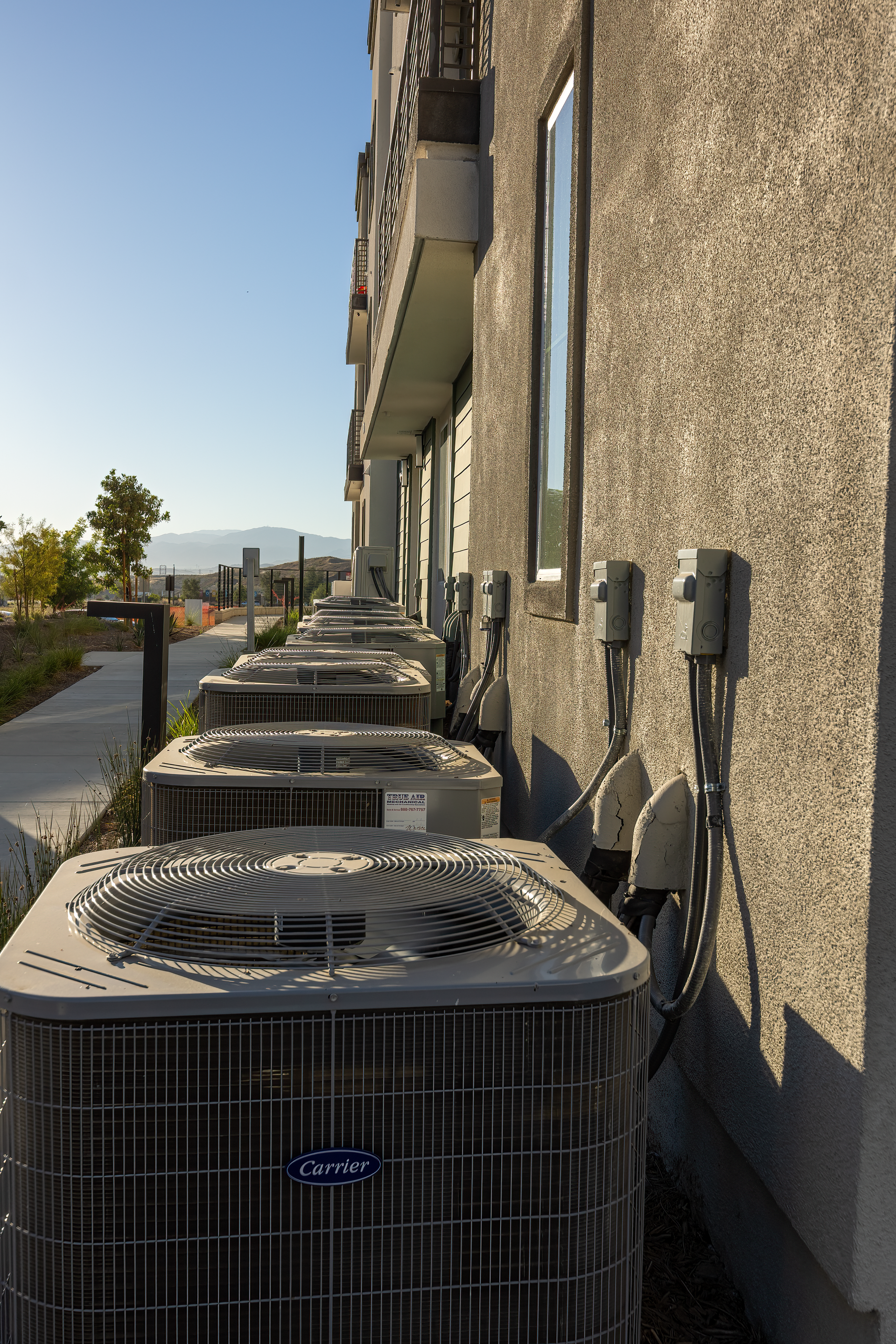
What Professional Installation Accomplishes Long-Term
System installation that accounts for local climate conditions means equipment operates within its design parameters rather than straining to meet demand during extreme weather. Technicians balance airflow across zones, verify that return air pathways prevent pressure imbalances, and confirm that drainage lines slope correctly to prevent condensate backups during cooling season. Each step affects whether the system performs as engineered or develops premature wear from compensating for installation errors.
After installation, you notice rooms reach set temperatures without wide fluctuations, the system runs in measured cycles rather than constant operation, and airflow remains steady from every register. Equipment noise stays within normal operating levels, and the thermostat responds predictably when you adjust settings. Properly installed systems also avoid the short-cycling patterns that waste energy and stress compressors, blower motors, and ignition components.
Installation includes startup testing, airflow measurement, and verifying that safety controls and ventilation standards meet current code requirements. The process does not include ductwork fabrication if existing ducts require modification, nor does it address structural changes needed to accommodate different equipment dimensions. System selection depends on fuel availability, existing infrastructure, and whether your priority is initial cost, operating efficiency, or equipment longevity.
Questions Before Installing New HVAC Equipment
Homeowners in Missoula often ask about system selection, installation timelines, and what determines appropriate equipment capacity before committing to new HVAC installations.
What determines the right system size for a property?
Load calculation accounts for insulation levels, window area, ceiling height, and local climate data to match equipment capacity with actual heating and cooling requirements, preventing undersizing that leaves rooms uncomfortable or oversizing that causes inefficient operation.
How long does a complete installation take?
Most residential installations finish within one to two days depending on equipment complexity, existing infrastructure condition, and whether ductwork modifications are necessary, though timelines extend if structural access or electrical upgrades are required.
Why does installation quality affect system performance?
Improper refrigerant charge, unsealed duct connections, and incorrect airflow settings force equipment to compensate with longer run times, uneven temperatures, and premature component failure regardless of equipment quality.
When should installation happen relative to seasonal demand?
Scheduling before peak heating or cooling season ensures systems are operational when needed most and allows time to address any adjustments without the pressure of immediate comfort demands during extreme weather.
What should existing ductwork evaluation include?
Technicians check for disconnected sections, crushed runs, inadequate insulation in unconditioned spaces, and sizing mismatches that restrict airflow and reduce system efficiency regardless of new equipment performance.
C&C Heating and Air Conditioning evaluates properties throughout Missoula to recommend systems matched to your heating and cooling requirements and existing infrastructure. Schedule a property assessment to receive equipment options and installation estimates based on your home's specific conditions.