
Targeted Comfort Without Conventional Ductwork
Ductless Mini-Split Installation in Missoula for spaces requiring heating and cooling where extending ducts is impractical
Ductless mini-split systems deliver heating and cooling to individual rooms or building sections without relying on central ductwork, making them practical for room additions, finished basements, converted garages, and older homes where installing ducts through existing walls and ceilings would require extensive demolition. Each indoor unit connects to an outdoor compressor through refrigerant lines and control wiring that run through a small penetration in the exterior wall, and you control temperature independently in each space rather than relying on a single thermostat for the entire property. C&C Heating and Air Conditioning installs ductless mini-splits throughout Missoula for homeowners who need flexible climate control in spaces that conventional systems cannot reach efficiently.
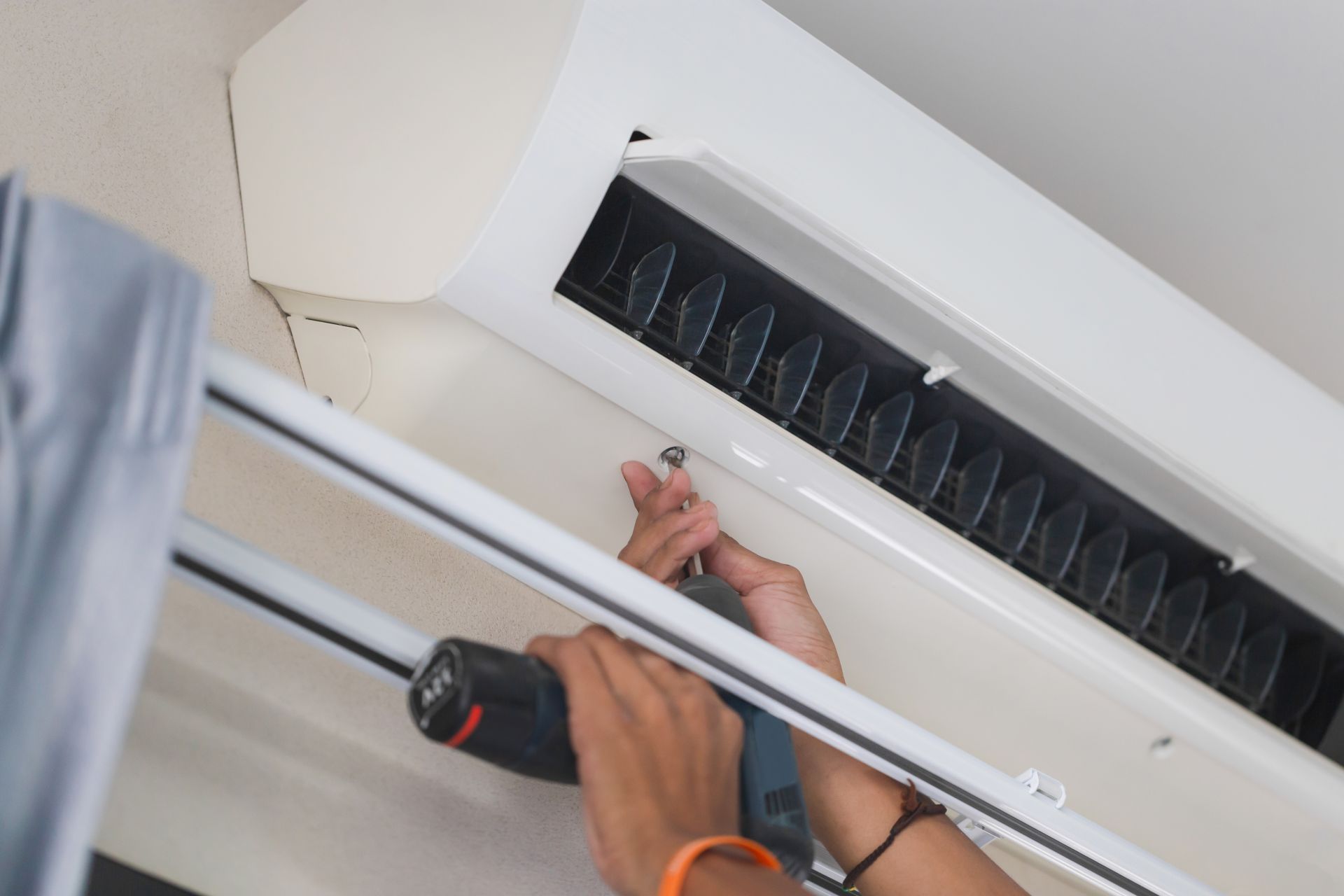
Mini-split installation involves mounting the indoor air handler on an interior wall where it distributes conditioned air across the room, placing the outdoor unit on a stable pad or wall bracket with adequate clearance for airflow and service access, and running refrigerant lines, condensate drainage, and electrical connections between the two components. Proper refrigerant charging and leak testing prevent performance loss and ensure the system operates at its rated capacity for both heating during Missoula winters and cooling during summer months.
Request a mini-split consultation to evaluate which spaces would benefit from independent temperature control and determine equipment placement.
Why Ductless Systems Work for Specific Situations
Ductless systems provide heating and cooling in locations where extending central ductwork would involve cutting through finished ceilings, running ducts across unconditioned attics where heat loss undermines efficiency, or navigating structural barriers like load-bearing walls and roof trusses. A bedroom addition over an existing garage, a home office in a converted outbuilding, or a finished basement recreation room can receive conditioned air without the cost and disruption of ductwork fabrication and installation through spaces not originally designed to accommodate it.
After installation, you adjust temperature in each zone independently, so a bedroom stays cooler at night without forcing the rest of the home to match that setting, and a basement workshop receives heat during winter use without running the main furnace for the entire house. You also notice elimination of the uneven temperatures that result when a single central system tries to condition spaces far from the main ductwork or separated by closed doors that block airflow.
Mini-split systems handle heating and cooling for the zones where indoor units are installed but do not replace whole-home systems unless enough indoor heads are placed to cover all occupied spaces. Performance depends on correct refrigerant charge, outdoor unit placement that prevents snow accumulation blocking airflow during Missoula winters, and indoor unit location that allows unobstructed air distribution across the room.
Answers to Frequent Service Questions
Homeowners considering ductless systems often ask about functionality, installation requirements, and how these units perform in Western Montana's climate.
What spaces are best suited for ductless mini-split installation?
Mini-splits work well for room additions, finished attics or basements, workshops, home offices, and renovated spaces where running ductwork would require demolition or compromise finished surfaces, as well as older homes with no existing duct system.
How does a ductless system provide both heating and cooling?
The indoor unit contains a heat exchanger and fan that either absorbs heat from the room and transfers it outside during cooling mode or pulls heat from outdoor air and delivers it inside during heating mode, with the outdoor compressor reversing refrigerant flow to switch between functions.
What installation work is required for a ductless mini-split?
Installation includes mounting the indoor unit securely to an interior wall, placing the outdoor unit on a pad or bracket with proper clearances, drilling a penetration through the exterior wall to pass refrigerant lines and electrical wiring, and charging the system with refrigerant before testing operation.
How do ductless systems perform during Missoula winters?
Cold-climate mini-splits maintain heating capacity at temperatures well below freezing, though output decreases as outdoor temperatures drop into extreme ranges, and outdoor units require placement where snow accumulation will not block airflow or bury the unit.
What maintenance does a mini-split system require?
Maintenance includes cleaning or replacing the indoor unit's washable filter monthly, keeping the outdoor unit clear of debris and snow, and scheduling periodic professional service to check refrigerant charge, clean coils, and verify condensate drainage functions correctly.
C&C Heating and Air Conditioning installs ductless mini-split systems for properties where targeted climate control offers a practical alternative to extending conventional ductwork. Arrange an on-site consultation to review placement options and equipment sizing for your specific spaces.