Restoring Function When Systems Stop Performing
HVAC Repair in Missoula for systems experiencing airflow problems, temperature inconsistencies, or operational failures
Systems that deliver weak airflow, fail to reach set temperatures, produce unusual sounds, or stop heating or cooling entirely signal mechanical failures, control malfunctions, or refrigerant issues that require diagnostic work before repairs can proceed. C&C Heating and Air Conditioning troubleshoots HVAC systems in Missoula by testing components systematically—checking blower operation, measuring refrigerant pressures, inspecting electrical connections, and verifying thermostat signals—to identify the actual cause rather than replacing parts based on assumptions. Montana's cold winters and warm summer periods create distinct failure patterns; furnace ignition problems and heat exchanger cracks appear during heating season, while compressor failures and refrigerant leaks emerge when cooling systems run under load.
Accurate troubleshooting prevents unnecessary part replacement and identifies whether a problem stems from a failed component, incorrect settings, or neglected maintenance that caused secondary damage. A system that runs constantly but never reaches temperature may have a refrigerant leak, undersized equipment, or blocked airflow from a clogged filter; each cause requires a different repair approach. Testing confirms the problem before work begins.
Schedule HVAC diagnostics to identify the specific failure affecting your heating or cooling system and receive repair recommendations.
How Repair Work Addresses System Failures
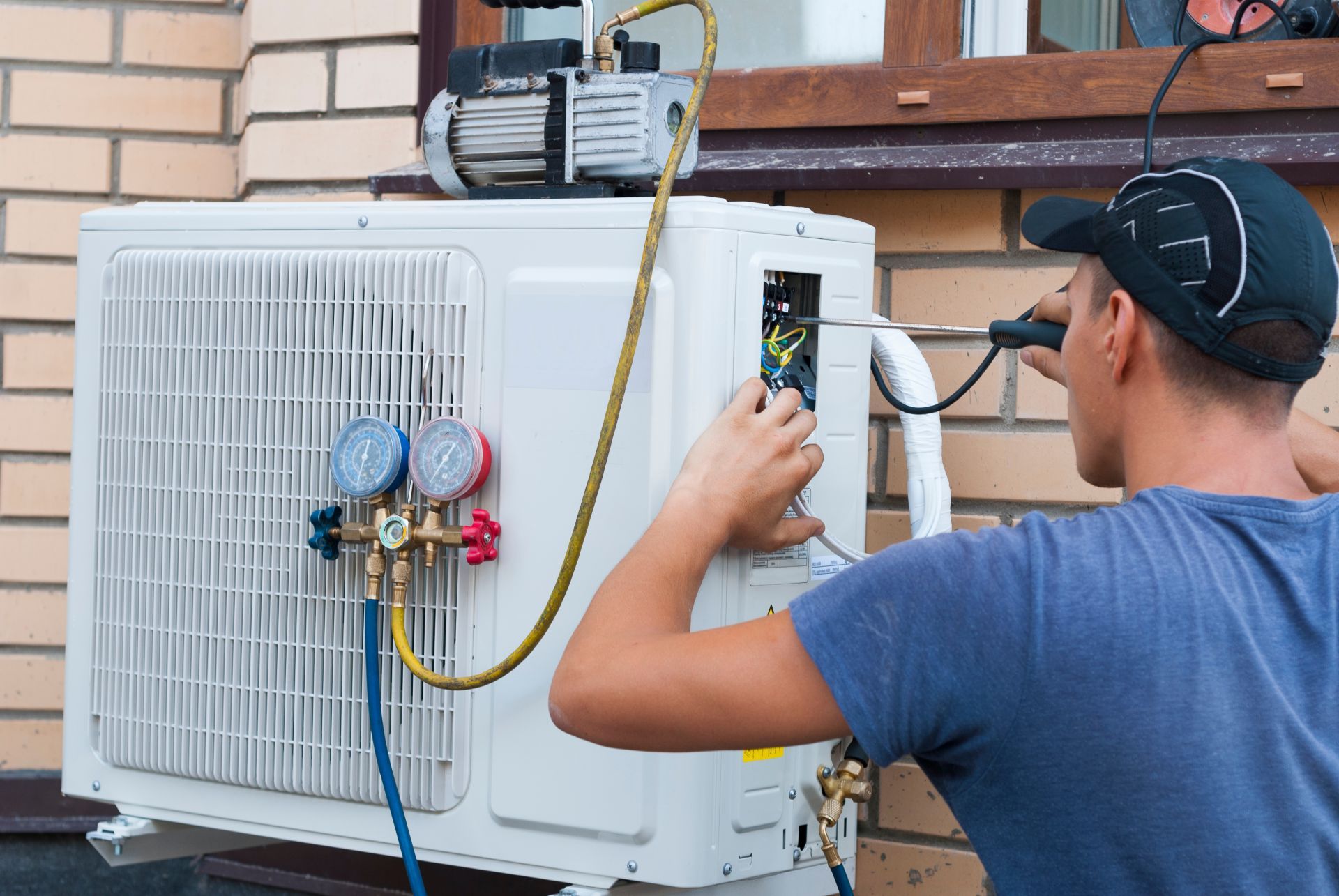
Repair typically involves replacing failed components—blower motors, capacitors, contactors, ignition assemblies, or reversing valves—and verifying that related systems function correctly afterward. Technicians measure voltage, test safety switches, and confirm that repaired systems cycle properly under load rather than simply turning on briefly. Refrigerant repairs require locating leaks, replacing damaged lines or coils, evacuating moisture from the system, and recharging to manufacturer specifications using pressure and temperature measurements.
Once repairs finish, your system reaches set temperatures within expected timeframes, maintains consistent airflow from all registers, and cycles on and off in response to thermostat calls without short-cycling or running continuously. Unusual noises stop, and operation returns to normal sound levels. Systems no longer blow cold air during heating mode or fail to dehumidify during cooling, and you stop noticing temperature swings between rooms or floors.
Some repairs address immediate failures without correcting underlying wear; a compressor replacement on a fifteen-year-old system restores cooling but doesn't extend the remaining lifespan of other aging components. Technicians provide recommendations about whether investing in repairs makes sense given equipment age, the likelihood of additional failures, and replacement costs. Not all problems are repairable; cracked heat exchangers require furnace replacement due to safety concerns, and compressor failure on older units often justifies full system replacement rather than isolated repair.
Answers to Frequent Service Questions
Property owners in Missoula typically want to know what diagnostic work involves, how quickly repairs restore operation, and what determines whether repair or replacement makes more sense.
What happens during HVAC diagnostics?
Technicians test electrical components with multimeters, measure refrigerant pressures and temperatures, inspect heat exchangers for cracks, check airflow at registers, and verify thermostat operation to isolate the failed component or system causing the problem.
How quickly can repairs restore heating or cooling?
Repair time depends on part availability and failure complexity; common components like capacitors or contactors are often carried on service vehicles and replaced within hours, while specialized parts may require ordering and return visits.
Why do systems fail more often during extreme weather?
Cold temperatures stress furnace ignition systems, heat exchangers, and blower motors, while high cooling demand during Missoula's warm months increases compressor workload and reveals refrigerant leaks or airflow restrictions that go unnoticed during moderate weather.
What indicates a system should be replaced rather than repaired?
Compressor failure on equipment older than twelve years, cracked heat exchangers, or multiple component failures within a short period often mean replacement costs less long-term than ongoing repairs on deteriorating systems.
How can you prevent unexpected breakdowns?
Seasonal maintenance identifies worn components, low refrigerant, dirty coils, and airflow restrictions before they cause complete failures, allowing scheduled repairs during off-peak seasons rather than emergency service during temperature extremes.
When your system stops performing reliably, C&C Heating and Air Conditioning provides diagnostic testing and repair throughout Missoula to restore dependable operation. Contact our office to arrange service and receive a clear assessment of what failed and what's required to fix it.