Diagnosis Before Replacing Parts
Air Conditioning Repair in Missoula for systems delivering inadequate cooling, weak airflow, or inconsistent operation
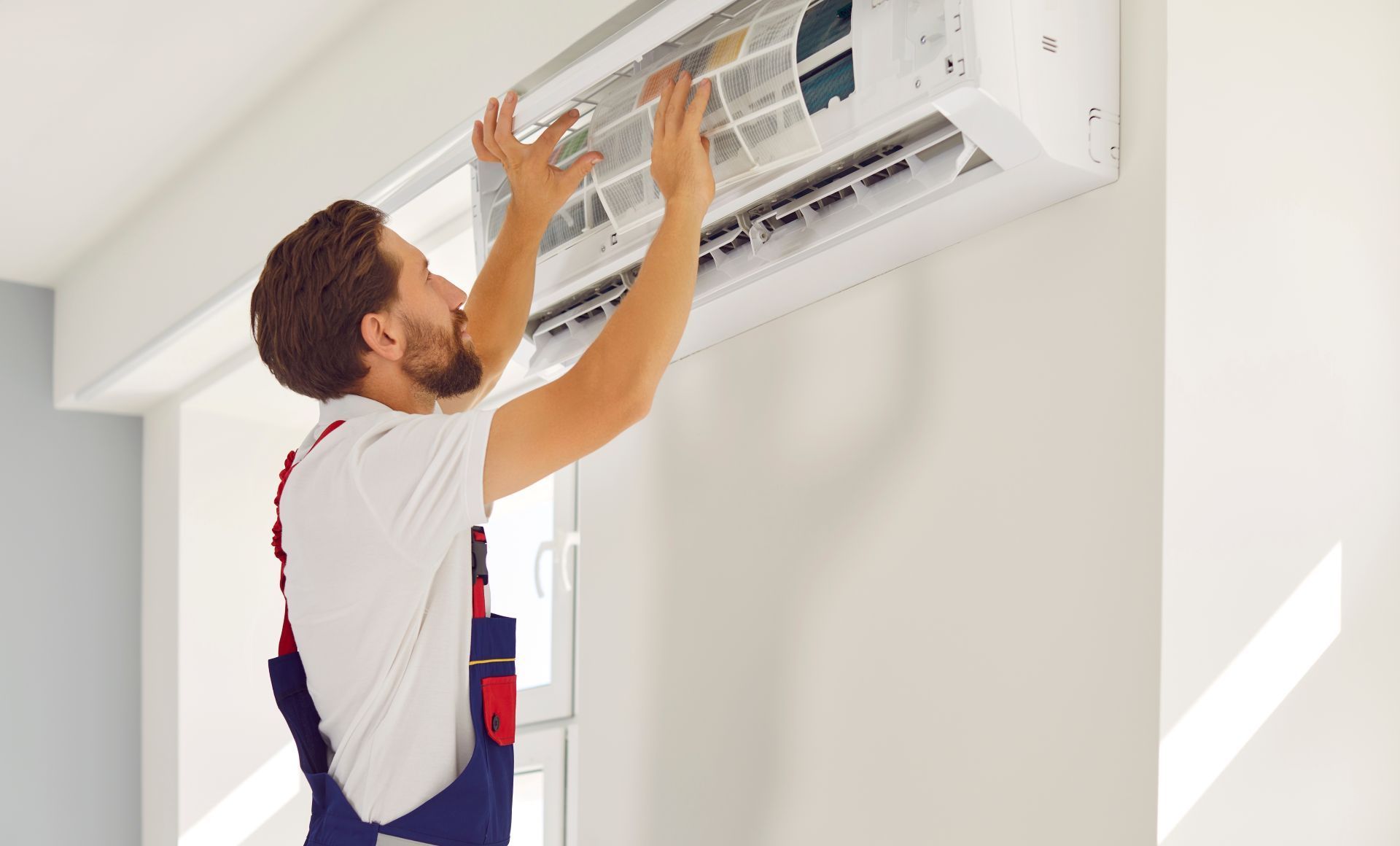
Air conditioning that fails to cool adequately, produces weak airflow from registers, creates unusual sounds, or stops operating entirely requires diagnostic testing to determine whether the problem involves refrigerant loss, compressor failure, airflow restrictions, or electrical malfunctions. Technicians with C&C Heating and Air Conditioning troubleshoot cooling systems in Missoula by measuring refrigerant pressures, testing capacitors and contactors, inspecting coils for blockages, and checking blower operation to identify the actual failure rather than guessing based on symptoms. Western Montana's warm summer months place continuous demand on cooling equipment, and systems that develop refrigerant leaks, dirty evaporator coils, or failing compressors lose capacity progressively until they no longer maintain comfortable indoor temperatures even when running constantly.
Troubleshooting separates causes that produce similar symptoms; a system blowing warm air may have a refrigerant leak, a failed compressor, a stuck reversing valve, or simply a tripped breaker, and each requires a different repair. Testing confirms the problem and prevents replacing components unnecessarily. Accurate diagnosis also reveals whether a failure resulted from normal wear, neglected maintenance, or installation errors that stressed components prematurely.
Schedule AC service to have your cooling system diagnosed and receive repair recommendations based on the identified failure.
What Repair Work Restores and Addresses
Repair work typically involves replacing failed electrical components like capacitors that no longer hold charge, contactors with burned contacts, or blower motors with worn bearings, then testing the system under load to verify proper operation. Refrigerant-related repairs require locating leaks using nitrogen pressure testing or electronic detectors, replacing damaged coils or line sets, evacuating moisture from the system, and recharging refrigerant to specifications using gauge readings and temperature measurements. Compressor replacement represents a major repair due to component cost and labor intensity, often prompting discussions about whether full system replacement makes more financial sense given equipment age.
After repairs finish, your system cools rooms to set temperatures within expected timeframes, airflow returns to normal strength at all registers, and the unit cycles on and off appropriately rather than running continuously or shutting down prematurely. Unusual noises stop, warm air no longer blows during cooling calls, and indoor humidity drops to comfortable levels as the system dehumidifies properly. Temperature consistency improves between rooms and floors as the repaired system distributes conditioned air evenly throughout the home.
Some repairs address immediate failures without correcting age-related wear on other components; replacing a compressor on a twelve-year-old system restores cooling but doesn't prevent the blower motor, capacitors, or coils from failing as they continue aging. Technicians provide guidance about expected equipment lifespan, the likelihood of additional repairs, and whether investing in fixes makes sense compared to replacement costs. Certain failures are not repairable; severely corroded coils, refrigerant leaks in inaccessible locations, and some compressor types require system replacement rather than isolated component repair.
Questions Before Starting Your Project
Homeowners dealing with cooling problems in Missoula typically ask about diagnostic procedures, repair timelines, and what determines whether repair or replacement is the better option.
What does air conditioning diagnostics involve?
Technicians measure refrigerant pressures and temperatures, test electrical components with multimeters, inspect coils for dirt or damage, check airflow at supply and return registers, and verify thermostat operation to isolate the component or system causing inadequate cooling.
How quickly can repairs restore cooling?
Repair time depends on part availability and failure type; common electrical components are often replaced during the initial visit, while refrigerant leaks or compressor failures may require ordering parts and scheduling a return visit once components arrive.
Why do air conditioners fail during the hottest weather?
Continuous operation during peak cooling demand stresses compressors, reveals refrigerant leaks that went unnoticed during lighter use, and exposes airflow restrictions from dirty filters or blocked coils that prevent adequate heat transfer when systems run under full load.
What indicates replacement makes more sense than repair?
Compressor failure on systems older than ten years, multiple component failures within one season, or refrigerant leaks requiring coil replacement often mean investing in a new system provides better value than repairing aging equipment likely to fail again soon.
How can future breakdowns be prevented?
Seasonal maintenance before cooling season identifies weak capacitors, low refrigerant, dirty coils, and airflow problems before they cause complete failures, allowing repairs during moderate weather rather than emergency service when temperatures climb and cooling is essential.
When cooling problems disrupt indoor comfort, C&C Heating and Air Conditioning provides diagnostic testing and repair for air conditioning systems throughout Missoula. Call (406) 360-2958 to arrange service and receive a clear explanation of what failed and what's needed to restore dependable cooling.